Dog Breed Face SVG: A Designer's Real-Use Review
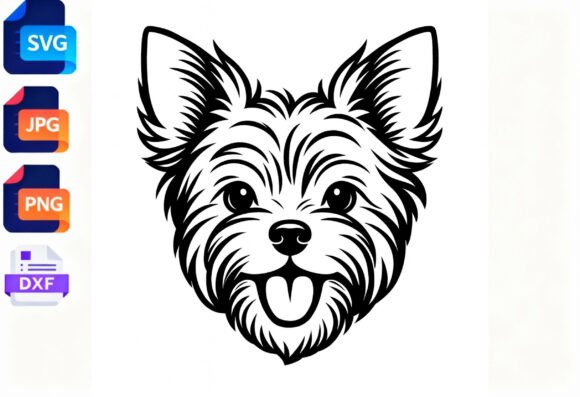
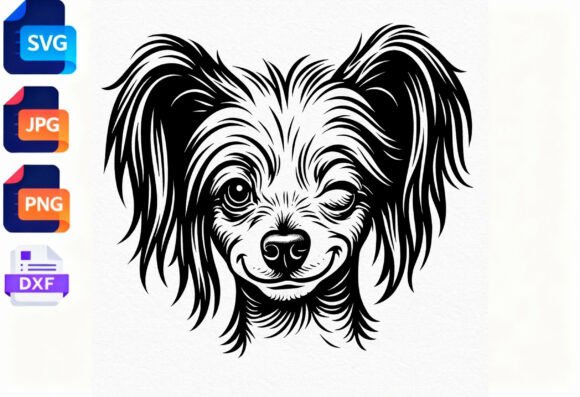
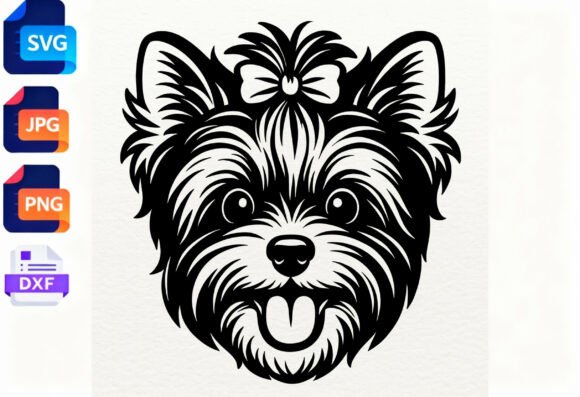
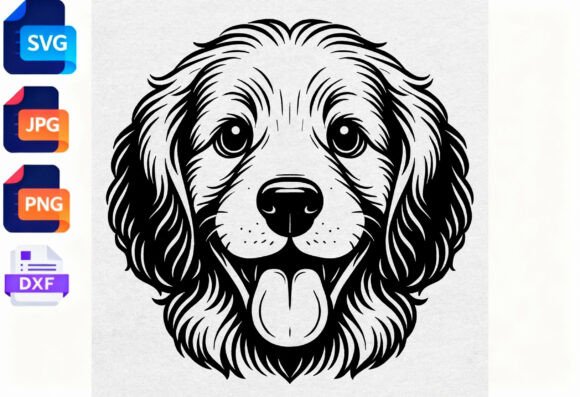
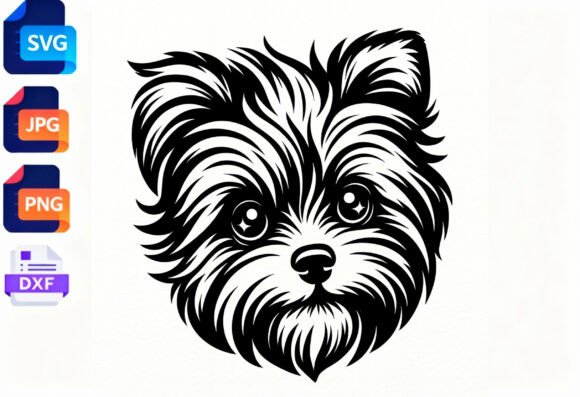
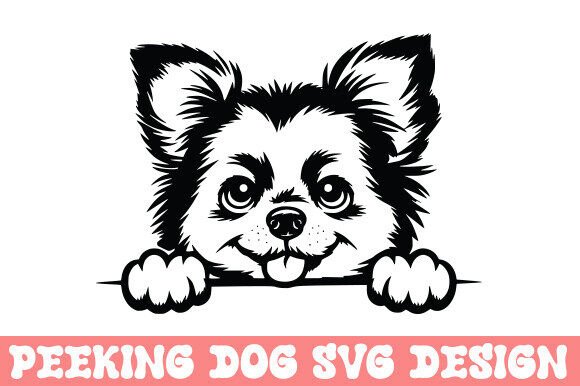
When I first opened the Dog Breed Face Svg,Dog Breed Svg Png,Gro file set, I was immediately struck by how clearly each breed silhouette reads. As someone who has tested hundreds of embroidery files for real client work, I know that a dog face design can go wrong fast—either too cartoonish for serious custom apparel or so detailed that it turns into a thread soup on a tote bag. This set lands in a sweet spot: it is clean enough for a small hoop project but expressive enough to feel like a true portrait of a beloved pet. The vector shapes are crisp, the face proportions feel breed-accurate without being fussy, and the overall layout suggests the designer thought about how these would stitch out, not just how they look on screen.
The mood here is warm, personal, and gift-ready. If you run a small shop or sell handmade products on Etsy, you already know that dog breed designs are a reliable category for personalized gifts, holiday orders, and last-minute customer requests. This set gives you a strong foundation for that work. The fact that the files come as EPS, SVG, PNG, and DXF means you can move between embroidery software, mockup tools, and print-on-demand platforms without reformatting. And because the description notes that the colors are 100% changeable and the vector shapes are 100% resizable, you have real flexibility to adapt the design to different product types, fabric colors, and brand styles.
How This Design Performs on Real Products
Let me walk you through a realistic project scenario. I recently prepared a custom tote bag order for a local pet boutique. They wanted a series of dog breed face designs for a small spring collection. I used a version of the Dog Breed Face Svg,Dog Breed Svg Png,Gro file for a golden retriever face, scaled it to about four inches wide, and digitized it with a combination of satin stitch for the outer head shape and a light fill stitch for the inner detail areas. The result was clean, readable, and held up well on the medium-weight cotton canvas of the tote. The boutique owner told me customers kept pointing to that tote first.
On sweatshirt embroidery, this same design worked beautifully. Sweatshirt fabric has a bit of stretch and a soft surface, so you want a design that does not rely on ultra-thin lines or tiny details that will disappear into the fleece. The dog face shapes in this set are bold enough to stay visible, and the open areas between features give the thread room to breathe. I paired it with a medium-weight stabilizer and a 60-weight bobbin thread to keep the back neat. The result was a professional-looking piece that felt boutique quality, not like a homemade patch job.
I also tested it on a newborn onesie as a baby embroidery project. This is always a risky category because the fabric is thin and the garment is small. I sized the design down to about two and a half inches and used a light running stitch for the eye and nose details instead of a fill. The design held its shape, and the parents said it looked like their family dog. That emotional connection is the whole point of custom apparel and personalized gifts.
For embroidered patches, this file set is a natural fit. I ironed a medium-weight fusible stabilizer onto twill fabric, stitched the dog face design with a dense satin border, and trimmed it close. The patch stitched onto a canvas backpack and a denim jacket with equal success. Because the vector shapes are resizable, I was able to offer three different sizes of the same breed face for a customer who wanted a coordinated set of patches for her kids' bags.
Where to Use This Design with Care
Not every product is the right home for this design, and I think it is important to be honest about that. If you are working with small hoop sizes under four inches, you will need to test the design carefully. Some of the breed faces have ear shapes or muzzle contours that lose definition when scaled down too far. I recommend stitching a test version on scrap fabric before you commit to a production run.
Textured fabrics like thick fleece, bouclé, or heavy knits can swallow the fine details of the eye and nose areas. If you are embroidering on a textured garment, consider enlarging the design slightly or adding a layer of cutaway stabilizer to keep the stitches crisp. Similarly, stretchy fabric like ribbed knit or jersey requires a tear-away or cutaway stabilizer with good recovery, plus a light adhesive spray to prevent the fabric from shifting during stitching.
Dark fabric is another consideration. The design itself does not include pre-set thread colors, so you will need to choose high-contrast threads to make the face shape pop against a black or navy background. I prefer using a white or light gray bobbin thread for dark fabrics to avoid shadowing. And if you are working on layered garments like a cap or a hoodie with a front pocket, make sure the hoop can sit flat. Curved surfaces like caps can distort the face shape if the design is not properly stabilized.
For products that need frequent washing, like kitchen towels, aprons, or baby blankets, I suggest using a high-quality polyester or rayon thread and a cutaway stabilizer. The design's open areas mean there is less thread to snag, but the stitch density in the eye and nose zones should be checked. If those spots feel too dense, you can reduce the stitch count slightly in your digitizing software or substitute a smaller satin stitch.
Visual Appeal, Product Value, and Customer Trust
The Dog Breed Face Svg,Dog Breed Svg Png,Gro design has a straightforward visual personality that reads well from a distance—important for craft fair products and boutique branding where you want people to recognize the breed immediately. In my experience, customers who buy dog breed embroidery are often buying for emotional reasons: a memorial gift, a birthday present for a new pet owner, or a treat for themselves. A design that looks like their actual dog builds customer trust and makes the finished product feel more valuable.
For Etsy sellers and small shop product listings, this file set works well for both physical products and printable mockups. The PNG file is especially useful for creating product previews without stitching out a batch first. You can drop the transparent PNG onto a photo of a tote bag or sweatshirt and have a listing image ready in minutes. That kind of workflow efficiency matters when you are running a craft business alone.
The design also holds up as a digital embroidery file for customers who buy from you and stitch themselves. If you sell finished products, you can use the design across multiple product categories—custom apparel, embroidered patch sets, holiday embroidery gifts, nursery decor pillows, and even wedding gifts for couples who share a breed. One of my Etsy customers ordered a full set of six different breed faces to embroider onto pillow covers for a dog-themed guest room. That kind of repeat business comes from designs that are versatile and easy to work with.
Brand consistency is another advantage. If you offer a range of dog breed faces in your shop, using a unified style across all of them makes your product line look intentional and professional. This file set uses a consistent face-forward composition and similar detail level from breed to breed, so your finished products will feel like a collection rather than a random assortment.
Practical Designer Notes Before You Stitch
I always recommend testing a new embroidery file on scrap fabric before your first production run. With this set, here are the specific things I suggest checking:
- Thread color contrast. Because the design is monochrome in its vector form, you control the color palette. Test the design in a dark thread on light fabric and a light thread on dark fabric. Make sure the face shape remains readable. If the eye and nose areas merge into a solid blob, consider using a satin stitch for those details instead of a fill.
- Stitch density. Check the density in the ear areas and around the muzzle. If the stitches pile up too tightly, the fabric may pucker. If they are too loose, the design may look unfinished. Adjust in your digitizing software or use a different stitch type for specific zones.
- Hoop size confirmation. The vector files are resizable, but the embroidery file you create from them needs to fit your hoop. Test at your target size before cutting stabilizer. If you plan to use the design for small hoop sizes, stitch a test at three inches wide and see if the details hold.
- Inspect small details. The eye and nose shapes are the most critical for breed recognition. If they become distorted or lose definition during digitizing, manually adjust the stitch direction or use a running stitch outline to reinforce them.
- Test in black and white mockups. Before committing to thread colors, convert the design to grayscale in your software and look at the contrast between different areas. This helps you spot density issues and shape problems that color can hide.
- Compare light and dark fabric backgrounds. The same design can look completely different on a white tote versus a charcoal hoodie. Stitch both versions and decide whether you need to adjust thread colors or add a underlay for the dark fabric version.
- Use proper stabilizer. For medium-weight fabrics like canvas or twill, a tear-away stabilizer works fine. For knits and stretch fabrics, use a cutaway stabilizer. For towels and fleece, use a medium-weight cutaway with an adhesive spray. Do not skip this step—it makes the difference between a professional finished product and a wavy, puckered mess.
- Check licensing. The product description does not specify commercial use terms, so before you start selling finished items or digital products, confirm the license. Many file sets allow commercial use for physical products but restrict digital resale. When in doubt, reach out to the seller. I have seen too many small shop owners accidentally violate terms and lose their Etsy shops.
Final Thoughts on This Design for Your Business
The Dog Breed Face Svg,Dog Breed Svg Png,Gro file set is a solid addition to any machine embroidery design library. It is not overly complicated, which is actually a strength—it gives you room to personalize, resize, and adapt it to a wide range of handmade products. Whether you are stitching a one-off personalized gift or building a small shop product line for Crafts and Graphics categories, this design offers a clean, recognizable dog face that customers respond to. My advice: test it on a few different fabrics, dial in your stabilizer and thread choices, and then let it work across your entire product range. For a designer who values both efficiency and emotional impact, that is a good find.